

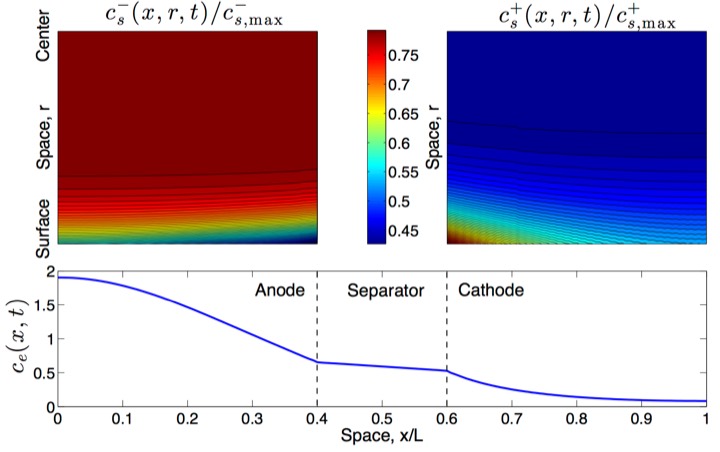
Optimal fast charging with an electrochemical-thermal model
Charging protocols optimized on a reduced electrochemical-thermal model charge cells faster while keeping temperature and side-reaction limits satisfied.
JES H. E. Perez et al., 2017
UC Berkeley · Civil & Environmental Engineering

We build the estimation, control, optimization, and machine-learning foundations that make batteries, electrified transportation, and the power grid smarter, safer, and cleaner.
Research
Four connected themes, one mathematical core: modeling, estimation, control, and optimization of energy systems.
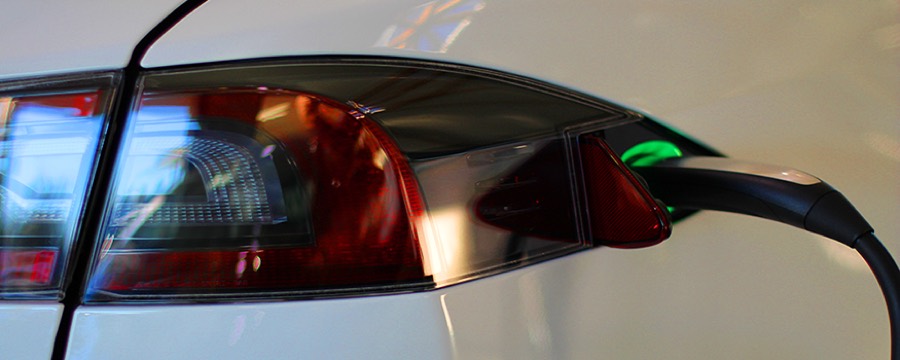
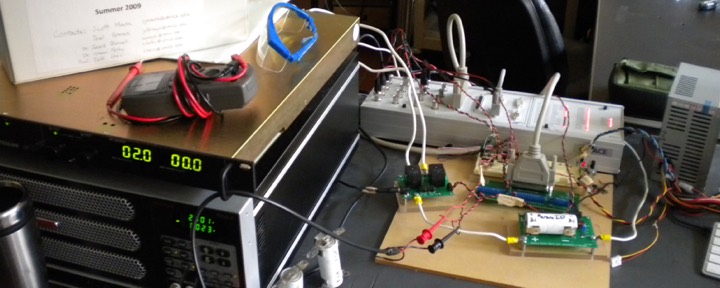
How much more capacity, speed, and life can software unlock from the batteries we already have?
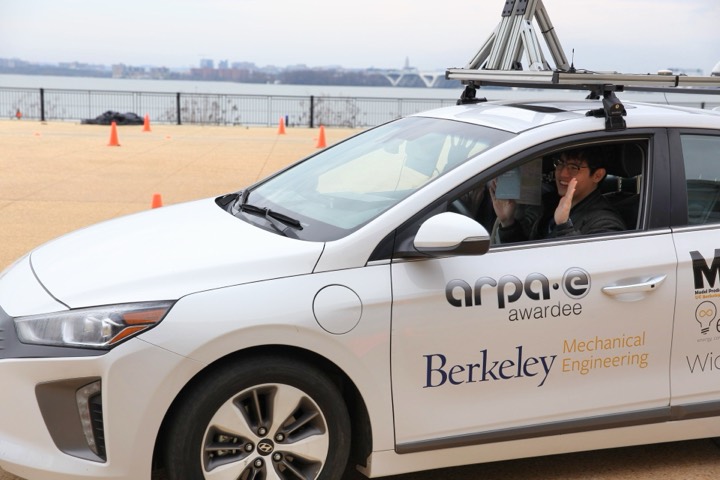
How should fleets of electric and automated vehicles be designed, charged, and driven when they share roads and the grid?
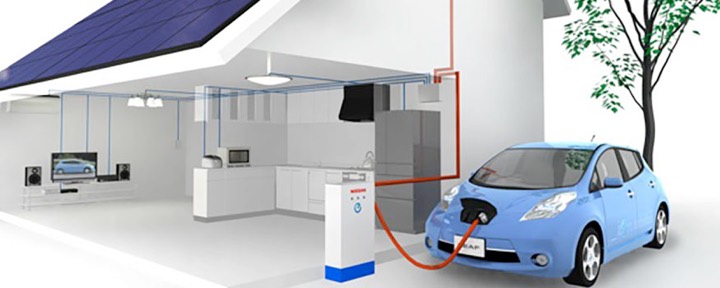
How do we build power grids and charging networks that support the transition to electric mobility?
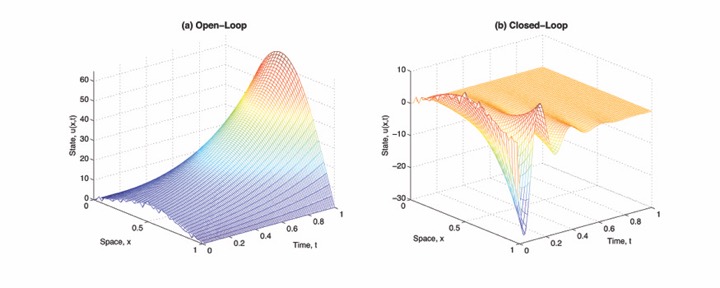
What new theory is needed when the systems we control are spatially distributed, uncertain, and data-rich?
Featured results
What we found, in one sentence each, with a link to the publisher's version of the paper.
Charging protocols optimized on a reduced electrochemical-thermal model charge cells faster while keeping temperature and side-reaction limits satisfied.
JES H. E. Perez et al., 2017
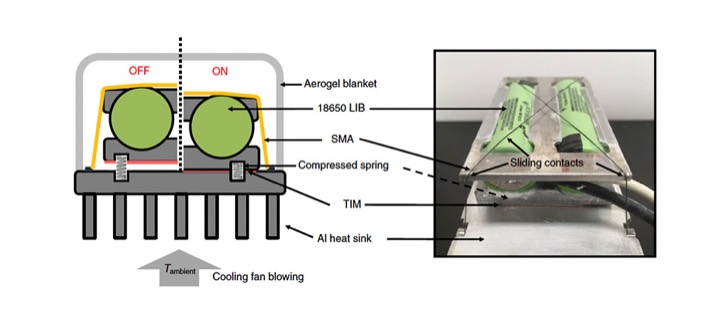
A shape-memory-alloy interface switches a battery’s thermal path on and off by itself, keeping cells warm in the cold and cool under load with no power or controller.
Nat. Energy M. Hao et al., 2018
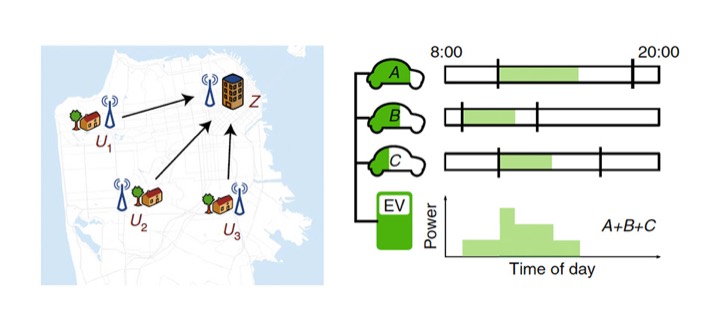
Coupling city-scale mobility data with charging behavior shows where and when EVs will charge, and how shifting charging times can flatten peak demand.
Nat. Energy Y. Xu et al., 2018
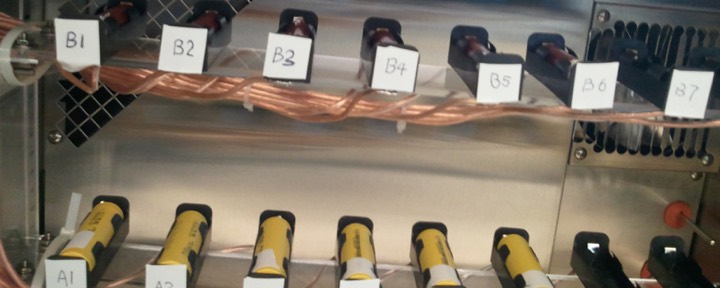
A reinforcement-learning agent trained with an electrochemical model learns fast-charging policies that respect safety constraints.
TTE S. Park et al., 2022
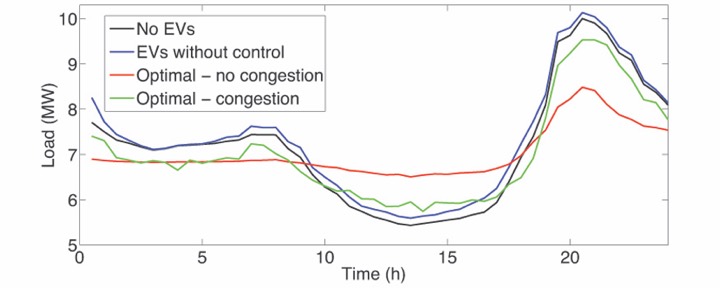
A distributed dual-splitting algorithm coordinates large EV fleets to fill the midday solar surplus, with explicit convergence bounds.
TTE C. Le Floch et al., 2016
Jointly optimizing fleet size and charging infrastructure for shared autonomous EVs exposes the trade-offs between vehicles, chargers, and service quality.
T-ITS H. Zhang et al., 2020
Publications
Energy and AI, vol. 24, p. 100693, 2026
@article{shi2026adaptive,
  title   = {{An adaptive estimation approach based on fisher information to overcome the flat voltage plateau challenges of SOC estimation in LFP batteries}},
  author  = {Shi, J. and Jiang, S. and Tao, S. and Lee, J. and Borah, M. and Moura, S. J.},
  journal = {Energy and AI},
  volume  = {24},
  pages   = {100693},
  year    = {2026},
  doi     = {10.1016/j.egyai.2026.100693}
}Nature Reviews Clean Technology, vol. 2, no. 5, pp. 366–381, 2026
@article{tao2026artificial,
  title   = {{Artificial intelligence for battery reuse, recycling and remanufacturing}},
  author  = {Tao, S. and Moura, S. J. and Brandell, D. and Han, Z. and Urréhman, S. and Zou, C. and Zhang, X. and Zhou, G.},
  journal = {Nature Reviews Clean Technology},
  volume  = {2},
  number  = {5},
  pages   = {366--381},
  year    = {2026},
  doi     = {10.1038/s44359-026-00167-0}
}Joule, vol. 10, no. 3, p. 102342, 2026
@article{jiang2026defining,
  title   = {{Defining an accuracy limit in battery state estimation}},
  author  = {Jiang, S. and Tao, S. and Lee, J. and Moura, S. J.},
  journal = {Joule},
  volume  = {10},
  number  = {3},
  pages   = {102342},
  year    = {2026},
  doi     = {10.1016/j.joule.2026.102342}
}IEEE Transactions on Transportation Electrification, 2026
@article{jiang2026degradation,
  title   = {{Degradation-Model-Agnostic Energy Throughput Control for EV Range Preservation and Battery Lifetime Extension via Cell-Level Inverters}},
  author  = {Jiang, S. and Tao, S. and Molina, V. and Shi, J. and Moura, S. J.},
  journal = {IEEE Transactions on Transportation Electrification},
  year    = {2026},
  doi     = {10.1109/tte.2026.3725087}
}Transportation Research Part D: Transport and Environment, vol. 150, p. 105089, 2026
@article{wang2026leveraging,
  title   = {{Leveraging commuting patterns and workplace charging to advance equitable EV charger access}},
  author  = {Wang, R. and Kwon, H.-K. and Jordan, K. H. and Moura, S. J. and Boloor, M. and Machala, M. L.},
  journal = {Transportation Research Part D: Transport and Environment},
  volume  = {150},
  pages   = {105089},
  year    = {2026},
  doi     = {10.1016/j.trd.2025.105089}
}People
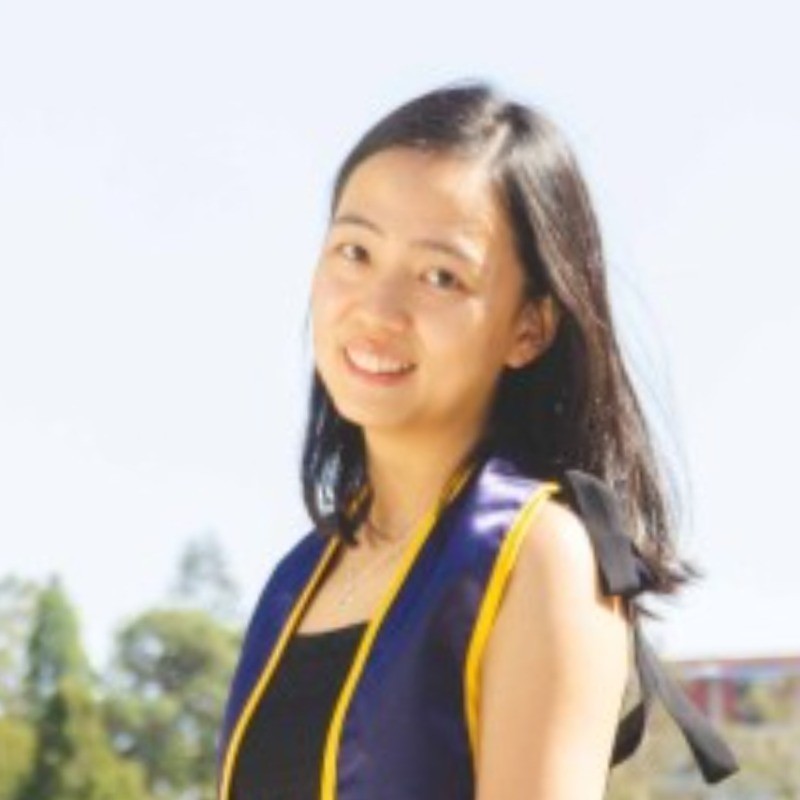
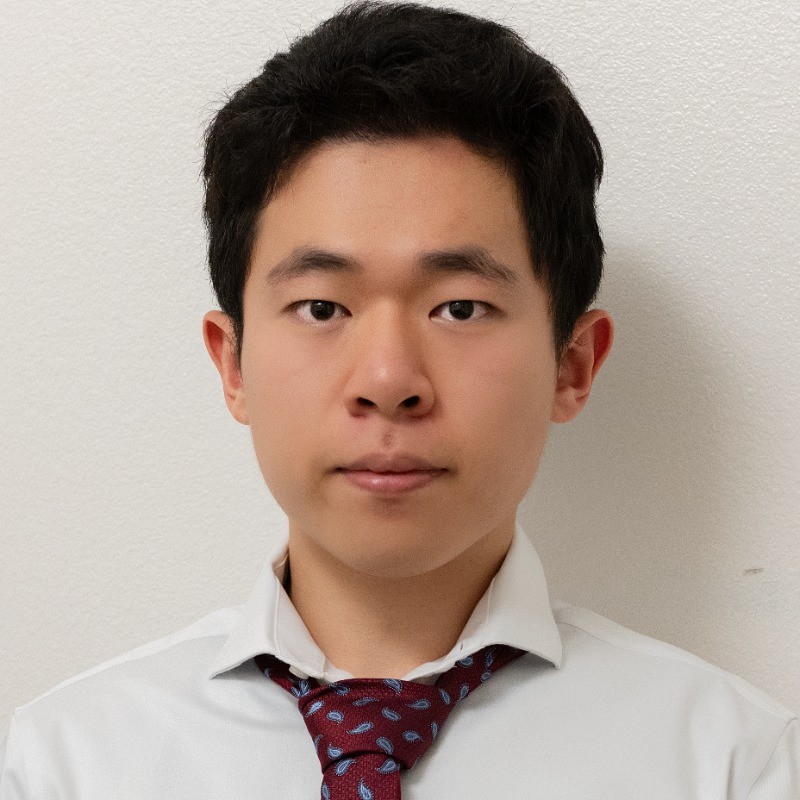
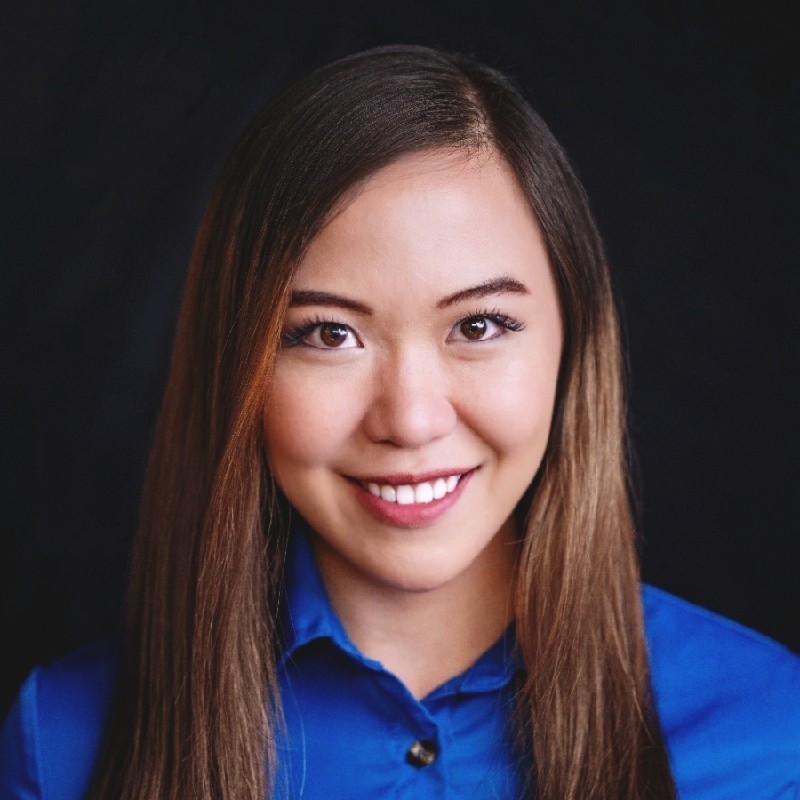
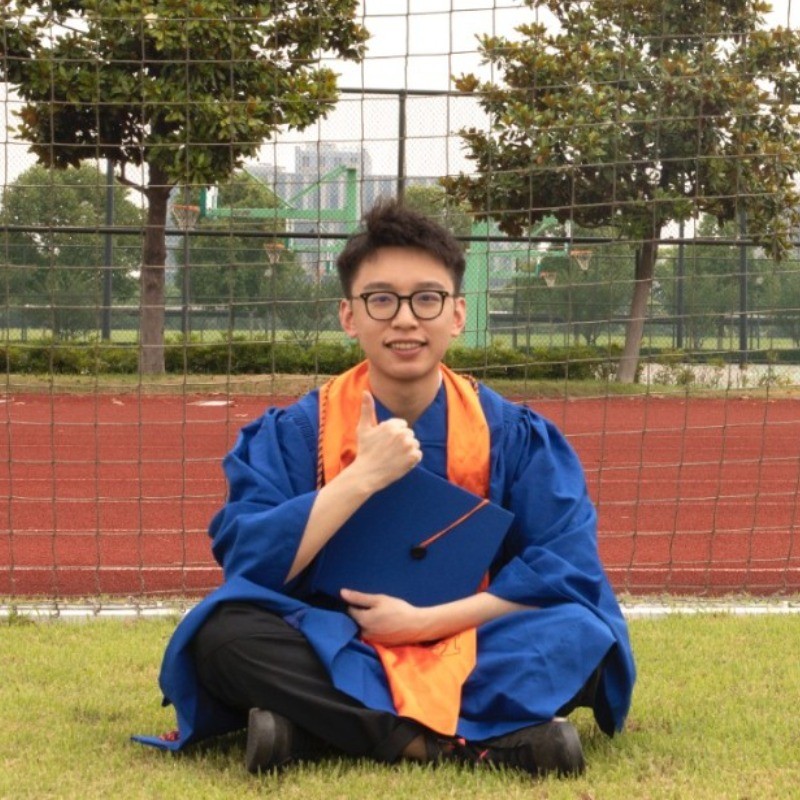
10 Ph.D. students plus visiting, M.S., and undergraduate researchers from engineering, mathematics, and computer science. Our 33 Ph.D. and postdoctoral alumni now work in academia, national labs, startups, and industry.


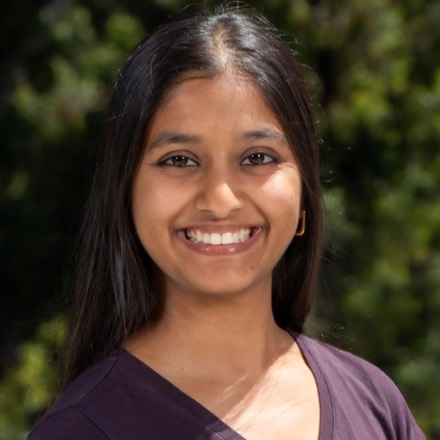
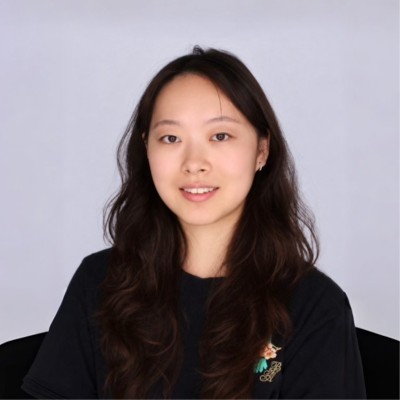
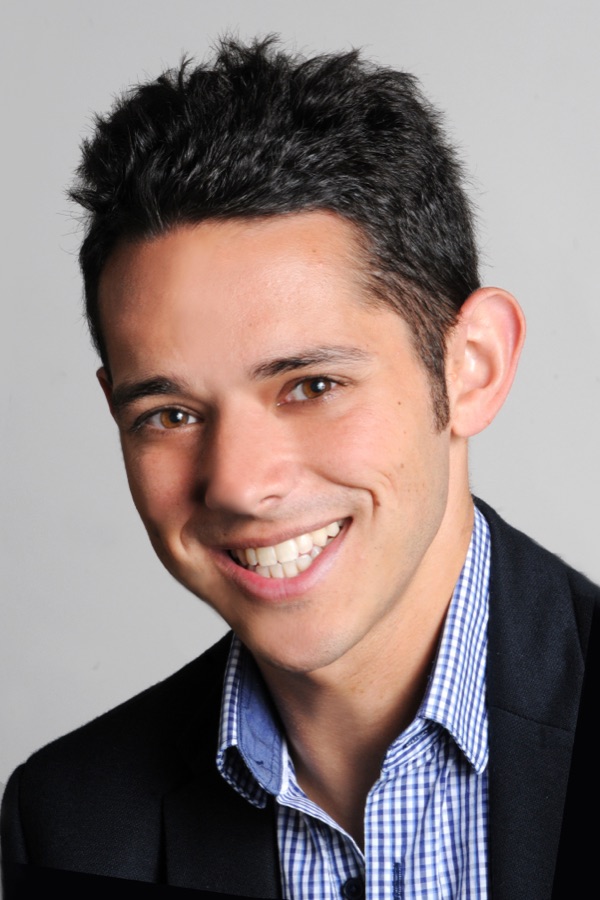
Director
Professor of Civil & Environmental Engineering, University of California, Berkeley
Director, DRIVE AI, Institute of Transportation Studies · Faculty Director, California PATH
Scott Moura directs eCAL. His research interests include control, estimation, optimization, and machine learning for batteries; automated, connected, and electrified vehicles; and clean energy systems. He received the B.S. from UC Berkeley and the M.S. and Ph.D. from the University of Michigan, all in mechanical engineering, and was a UC President's Postdoctoral Fellow at UC San Diego. Honors include the NSF CAREER Award, the ASME DSCD Young Investigator Award, the O. Hugo Schuck Best Paper Award, and the ICRA 2025 Best Paper Award in Automation.
With gratitude to our sponsors









Subscribe to the eCAL newsletter for new papers, people, and events. Read past issues.